[more link=”https://www.bootsnall.com/rtw/faq-staying-in-touch.html”]Next RTW FAQ-Laptops and Cell Phones[/more]
- Should I bring an iPod?
- What Else Is An iPod Good For Besides Music?
- Should I bring a camera?
- I Am Thinking About Bringing A DSLR Camera. Is This Necessary?
- I Am New To Photography And Thinking About Purchasing A DSLR For My Trip. Thoughts?
- Is Bringing Both A DSLR And A Point And Shoot Overkill?
- What About A Video Camera?
- I Have Several Memory Cards. Should I Just Keep My Photos On There?
- How Do I Store Digital Photos On The Road?
- What If I Don’t Have My Own Computer?
- What About Using An Online Storage Site?
- I Love My New Kindle. Should I Bring That?
- I Need Music. What About iPod Speakers?
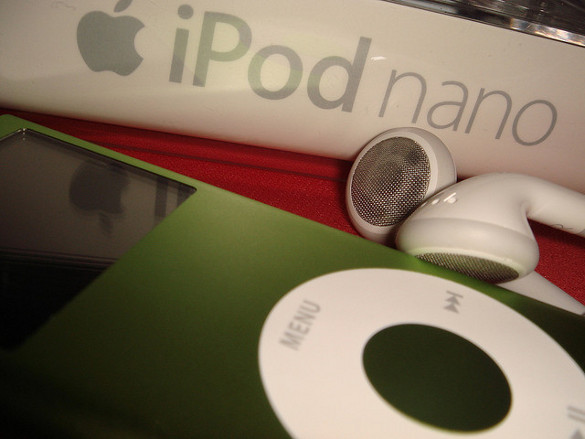
Should I bring an iPod (or similar device)?
This is really a subjective question that each person has to answer for themselves. Some love and listen to music daily. If you are one of these people, then bringing an iPod or similar portable music player is a must. You probably already have one, so it won’t be another purchase you’ll have to make pre-trip. For those of you who don’t have a passion for music, you have to ask yourself if an iPod will be worth it for this particular situation.
What Else Is An iPod Good For Besides Music?
Keep in mind you’ll be spending countless hours on planes, trains, and buses, and waiting for said planes, trains, and buses. You may be sleeping in hostel dorms, which do tend to get loud at times. A music player is extremely helpful in all these situations as a noise blocker, and don’t forget that if you aren’t a big music fan, there are now thousands of podcasts available, many of them free, on any manner of subjects. These are great for killing time, and there are tons of travel podcasts out there that are helpful, including some great travel stuff. Don’t forget that your iPod can double as an external hard drive for backing up photos and the like. For how small and affordable they are nowadays, an iPod or similar device is great for taking on the road.
Should I bring a camera?
Yes, definitely. Not too many years ago even the smallest digital cameras were hard to jam in your pocket, but all that has changed. And before that, there was the whole issue of actual film and developing it. But now that digital cameras are tiny, relatively cheap, and still great quality there isn’t much reason to travel extensively without one.
I Am Thinking About Bringing A DSLR Camera. Is This Necessary?
That’s all up to each individual traveler, but there are several things to consider when making your decision. If you already have a DSLR and really enjoy photography, then you have to ask yourself if the extra space, weight, and risk are really worth it. If you have a blog that you plan on keeping up with and maybe trying to monetize some day, good photos are an important part of making it professional.
I Am New To Photography And Thinking About Purchasing A DSLR For My Trip. Thoughts?
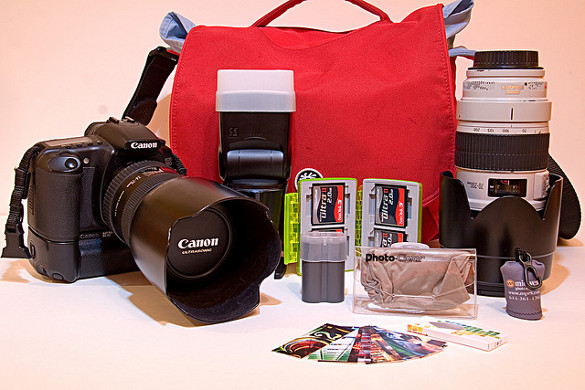
A RTW trip may not be the best time to invest in an expensive, DSLR camera with different lenses. They are expensive, heavy, take up a ton of space, are cumbersome, and it’s makes you a target for theft in some areas. All the moving around you will be doing makes the risk of it getting lost or stolen much higher as well. In addition to that, if you don’t really know how to use one, the features on point and shoots these days will help you get some great shots. A DSLR is only good if the user knows how to use the various features on it. But if you have time before the trip to take a photography class and you don’t mind the added risk, by all means bring a DSLR. It’s just important to understand the risks involved.
Is Bringing Both A DSLR And A Point And Shoot Overkill?
Not at all, but again, you have to be pretty into photography to bring all that gear. If you are, that’s fine and you should bring what you want. Many point and shoots, even quality ones, are extremely small these days, and they are of pretty high quality. Just keep in mind that the cost for extra batteries and memory cards, which you’ll probably want, all add up.
What About A Video Camera?
Many cameras now have pretty good video features included. Are they of the same quality as a video camera made solely for shooting video? High quality cameras certainly have video capabilities that rival the low-end video cameras, so unless you are a professional that plans on shooting a lot of video for your blog, website, or another project, the video function on your normal camera will probably suffice. Tripods are an absolute necessity for shooting professional video, so keep that in mind. Just another potentially expensive, heavy, and cumbersome item that adds to the weight and space in pack.
I Have Several Memory Cards. Should I Just Keep My Photos On There?
NOOOOOOOO! Backing up your photos is essential, and it’s getting easier and easier all the time. The key is to get into the habit of backing up your photos often. Don’t let them sit on your memory cards. If your camera and memory cards get lost or stolen and you haven’t backed up your photos for a month, you will be pissed!
How Do I Store Digital Photos On The Road?
There are countless ways of dealing with photo storage when taking an extended, RTW trip. If you have your own laptop, then wiping your memory cards clean on a near-daily basis is pretty easy. Backing them up again, either with a CD, DVD, external hard drive, or your iPod is a simple process that doesn’t take too much time.
What If I Don’t Have My Own Computer?
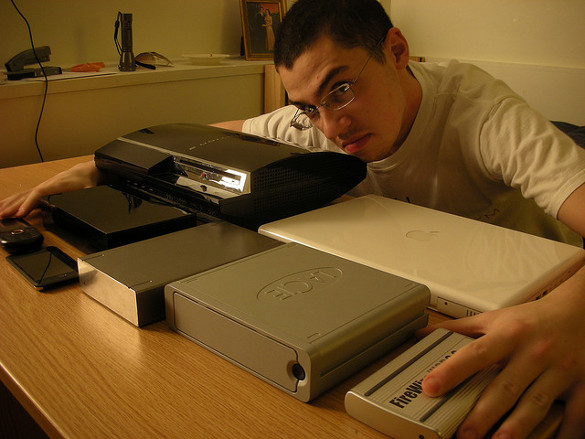
It gets a little more time consuming, but it’s still rather easy. Bringing some type of portable hard drive is a good idea regardless of your computer situation, so dropping them onto one of those in an internet cafe is quick and easy. You can also burn them onto CD’s or DVD’s pretty easily, and then either carry them with you or send them to a friend or family member at home every few weeks or month (burning 2 copies isn’t a bad idea-keep one on you and send the other home).
What About Using An Online Storage Site?
Using a site like Flickr is highly, highly recommended. It provides a failsafe in case something happens to all your stuff. If you have your own computer, it’s pretty easy to do this because you can just start uploading at night if your accommodation has WiFi and let the photos load in your sleep. If not, you will have to do this at an internet cafe, which gets frustrating in those regions with archaic internet, especially if you have a good, DSLR camera with large files. Either way, opening a free Flickr (or similar) account is a fantastic idea and a great way to back up all your photos.
I Love My New Kindle. Should I Bring That?
You will most likely be reading quite a bit while on the road, and a portable ereader like the Kindle and Nook are awesome. They can store all your books on a small, lightweight contraption. Books get extremely heavy once you start collecting an carrying several of them, and an ereader is lighter than even a small, paperback book. The downsides are that it’s one more expensive piece of electronic equipment to bring, complete with charger (the weight of various chargers really starts to add up), and they must be charged. Chances are you will be taking several long (20+ hour) bus/train rides, and your charge won’t last forever.
I Need Music. What About iPod Speakers?
I hear you. I love and need music, too. But iPod speakers, which small and lightweight, may not be necessary. If you have a laptop, then forget about it, just use that instead. If not, you may want to bring them. Keep in mind that sometimes it’s more difficult to send stuff home that you decide you don’t want/need than it is to just buy them on the road. There is no shortage of iPod speakers in other cities in the world.
Though we have covered a lot of the tech stuff you need to think of in this FAQ, there is still more to consider. We are a wired world these days, the options are seemingly endless for staying in touch and plugged in, and the decision on how wired in you want to be needs to be made by each individual person. Next up we’ll discuss the controversial question of laptop or no laptop?.
For a more in depth article regarding cameras, iPods, and other gadgets, be sure to check this out. As always, a checklist will accompany the article, helping keep you super organized during this whole planning process.
[more link=”https://www.bootsnall.com/rtw/faq-staying-in-touch.html”]Next RTW FAQ-Laptops and Cell Phones[/more]